
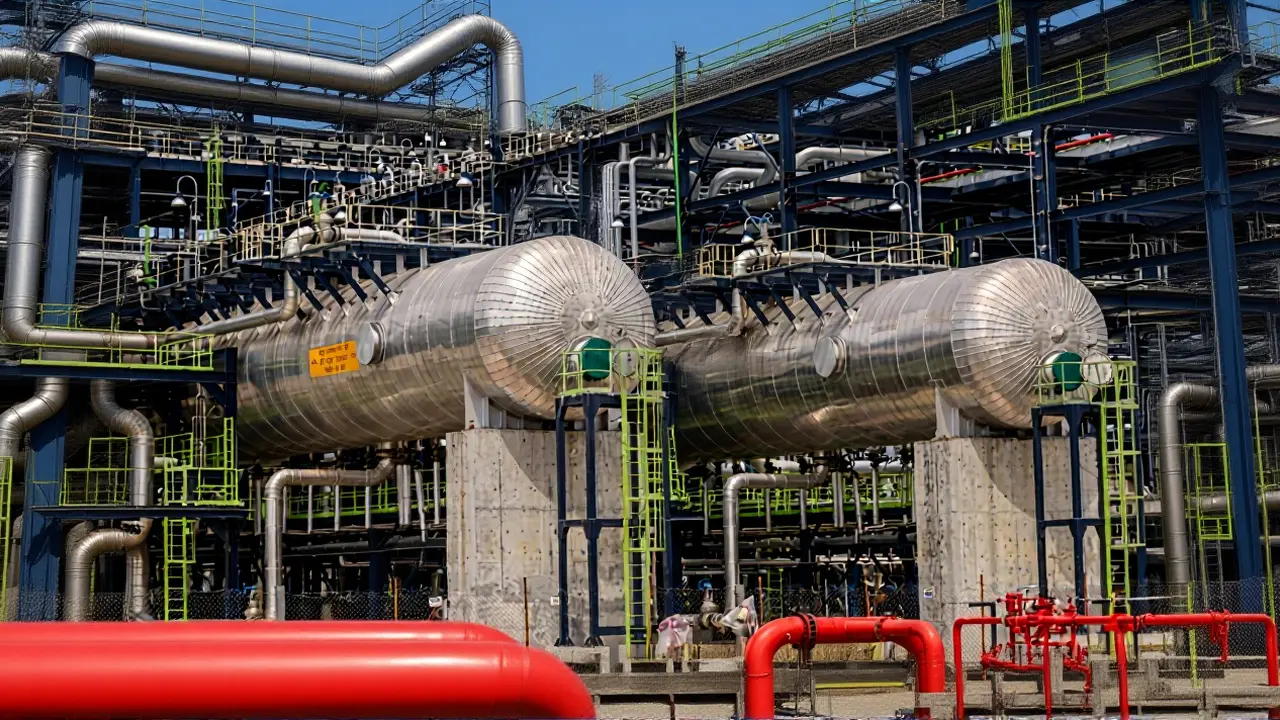
When Dangote Petroleum Refinery slowed its loading operations this week, the ripple effect hit Nigerian wallets instantly. Pump prices for Premium Motor Spirit (PMS) are already hovering near ₦1,350 per litre in Lagos, with marketers warning that the figure could spike to ₦1,400 nationwide if supply constraints persist.
The situation isn't just about local logistics. It's a perfect storm of stalled refinery output, geopolitical tension in the Middle East, and a sharp rise in global crude costs. For the average commuter in Lagos or Ogun State, the difference between ₦1,200 and ₦1,400 per litre means hundreds of thousands of Naira more spent on transport each month.
Global Pressures Meet Local Bottlenecks
Here’s the thing: you can’t look at Nigeria’s fuel crisis without looking at the world stage. The United States and Iran failed to agree on a ceasefire that would have reopened the Strait of Hormuz, keeping global oil markets on edge. Compounding this, the United Arab Emirates exited the Organisation of the Petroleum Exporting Countries (OPEC) earlier this week, sending shockwaves through production quotas.
The result? Brent crude oil, the global benchmark, jumped from $105 per barrel on Monday to $118 per barrel by Wednesday. That’s a $13 increase in just two days. Naturally, these international costs trickle down to the refinery gate.
Dangote Petroleum Refinery responded by raising its petrol gantry price. According to data from Petroleumprice.ng and confirmed by a refinery official on Wednesday, the loading price moved from ₦1,200 to ₦1,275 per litre. Coastal supply prices also climbed to ₦1,215 per litre. While some reports initially cited a jump from an older baseline of ₦774, the immediate market reaction focused on the recent ₦75 hike.
Regional Price Disparities Widen
But wait—the pain isn't evenly distributed. Distance from the refinery in Lekki, Lagos, matters immensely. In the South-West, filling stations wasted no time adjusting their pumps. By Wednesday, NNPC stations at the Mowe/Ibafo axis were selling PMS at ₦1,315 per litre, while Mobil stations tagged it at ₦1,320.
In the North, however, the story is different. Transport costs over long distances have pushed prices closer to the ₦1,400 mark. Oddly enough, the most extreme cases are found right next door to the refinery. Residents in border communities within Ogun State reported paying nearly ₦1,700 per litre. Why? Because Federal Government restrictions on petroleum product supply in those specific areas created artificial scarcity, allowing opportunistic sellers to charge premium rates.
"The details are still unclear regarding why specific border communities face such severe shortages," noted one industry analyst. "But the correlation between restricted supply routes and triple-digit price hikes is undeniable."
Marketers Await Official Repricing
The twist is that the current chaos might be temporary—or it might be the new normal. Marketers are currently holding their breath, awaiting a possible repricing template from Dangote Refinery. RockCity FM reported that this decision is expected within the same week, which could formalize the ₦1,400 price point across the country.
Interestingly, Dangote Refinery has publicly denied rumors of another hike beyond the current ₦1,275 ex-depot price. NGNMarket highlighted the company’s statement refuting claims of further increases, insisting that ₦1,275 remains the standing rate. Yet, retailers argue that operational costs and stalled loading justify higher retail margins.
What This Means for Consumers
If pump prices stabilize at ₦1,400, inflationary pressure will intensify. Food transportation costs will rise, leading to higher grocery bills. For small business owners who rely on generators or delivery vans, the margin for error shrinks significantly.
The broader impact extends beyond individual budgets. It tests the resilience of Nigeria’s domestic refining capacity. If Dangote cannot maintain consistent loading schedules due to technical or logistical issues, the country remains vulnerable to global oil shocks despite having a major local producer.
Background: From Subsidy to Market Forces
This volatility marks a stark contrast to the era of subsidized fuel. Previously, the government absorbed cost fluctuations. Now, every swing in Brent crude—from $105 to $118—translates directly to the pump. The exit of key players like the UAE from OPEC adds another layer of unpredictability to a market still adjusting to full liberalization.
Historically, Nigeria imported most of its refined products. The goal of Dangote Refinery was to insulate the nation from such external shocks. However, as seen this week, insulation requires not just production, but seamless distribution and stable global inputs. When either link breaks, prices soar.
Frequently Asked Questions
Why did petrol prices rise suddenly this week?
Prices rose due to a combination of factors: a halt in loading operations at Dangote Refinery, a surge in global Brent crude oil prices from $105 to $118 per barrel, and geopolitical tensions involving the US, Iran, and the UAE's exit from OPEC. These elements tightened supply and increased production costs.
Is Dangote Refinery planning another price hike?
Dangote Refinery has officially denied plans for another increase beyond the current ₦1,275 per litre ex-depot price. However, retailers may adjust pump prices independently based on transport costs and regional supply constraints, potentially pushing retail prices toward ₦1,400.
Why are prices higher in Ogun border communities?
Residents in certain Ogun border communities report prices nearing ₦1,700 per litre due to Federal Government restrictions on petroleum supply in those specific zones. This artificial scarcity allows sellers to charge significantly higher rates compared to other regions.
How does the global oil market affect Nigerian petrol prices?
Even with local refining, Nigeria imports crude oil. When global benchmarks like Brent crude rise—as they did by $13 recently—the cost of raw materials for refineries increases. Additionally, geopolitical events like conflicts near the Strait of Hormuz disrupt global supply chains, driving up worldwide prices.
What is the current average pump price in Lagos?
As of Wednesday, pump prices in Lagos and surrounding areas like Ogun State range between ₦1,315 and ₦1,350 per litre. Major stations like NNPC and Mobil have adjusted their rates upward following the increase in Dangote’s loading price to ₦1,275 per litre.
Popular Posts