
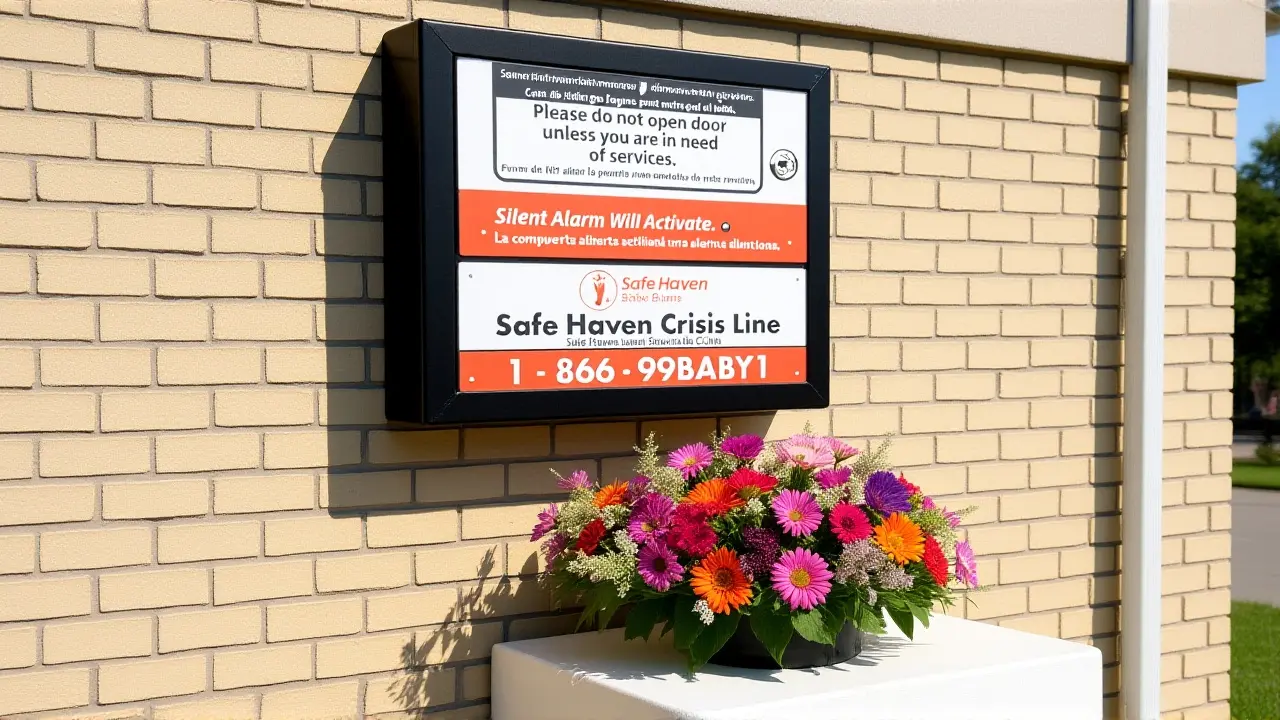
It’s a quiet corner of the hospital that might just save a life. Christus Mother Frances Hospital in Tyler, Texas, recently unveiled its third Safe Haven baby box, marking a pivotal moment for parents in crisis across East Texas. Governor Greg Abbott attended the blessing ceremony, underscoring the state’s commitment to preventing infant abandonment.
The twist is that this isn’t just another medical device—it’s a lifeline. For mothers facing overwhelming circumstances, the climate-controlled box offers a way to surrender an infant anonymously and safely. It’s the third such installation in the region, joining existing boxes in Palestine and Longview. But why now? And what does it mean for families in Smith County?
A Quiet Revolution in Crisis Care
Here’s the thing: child abandonment is often a crime of desperation, not malice. The Safe Haven baby box changes the calculus. When a parent places a newborn inside, alarms trigger immediately. Staff members arrive within minutes to ensure the child receives immediate medical attention. From there, the infant enters the adoption system through legal channels.
Janes, a hospital official involved in the initiative, explained the motivation clearly: "We just want another resource for mothers who are in need to have this to come, and to remain completely anonymous and to give their baby a safe space." The goal isn’t to encourage surrender but to prevent illegal dumping in trash bins or ditches—a tragic reality that still occurs nationwide.
The box itself is unassuming. No flashing lights, no sirens. Just a secure, temperature-regulated chamber with sensors that detect movement. It’s designed to be discreet yet effective, removing the stigma and fear that often paralyze parents in crisis.
Why This Matters for East Texas
East Texas has been slow to adopt these technologies compared to other regions. With only two previous boxes in Palestine and Longview, many communities lacked nearby options. Tyler’s addition closes a significant gap. Smith County alone sees thousands of births annually, and while most proceed without incident, a small percentage involve high-risk situations where anonymity becomes critical.
Consider the data: since the first Safe Haven box was installed in the U.S. in 2014, over 30 infants have been surrendered safely. None were harmed. All received care. In Texas specifically, the program has grown steadily, though critics argue it should be paired with more robust social support services.
But wait—there’s a nuance here. These boxes aren’t meant to replace counseling or financial aid. They’re a last resort. As one advocate put it, "If we can keep a mother from reaching that point, even better. But if she does, we need to catch her fall."
The Legal Landscape
Safe Haven laws exist in all 50 states, plus D.C. and Puerto Rico. Texas enacted its version in 2001, allowing parents to surrender infants up to 30 days old at designated locations—including hospitals, fire stations, and police departments—without fear of prosecution. The baby box simply extends that protection to a private, anonymous setting.
In Pennsylvania, for example, the law allows surrenders at any hospital (excluding mental health facilities) until the baby is 28 days old. A hotline provides guidance, and county agencies handle custody and adoption. Similar frameworks apply in Texas, though implementation varies by county.
The key distinction? Anonymity. Traditional Safe Haven sites require interaction with staff, which some parents find intimidating. The box removes that barrier entirely. You walk up, place the child inside, and leave. No questions asked. No names recorded. Just safety.

What Happens Next?
Once an infant is placed in the box, the clock starts ticking. Medical teams assess the baby’s condition, provide necessary treatment, and document findings. Within hours, the child is transferred to foster care or an adoption agency. The process is swift, efficient, and legally sound.
Hospital officials say they’ve already seen increased awareness campaigns following the installation. Posters, digital ads, and community outreach efforts aim to inform potential users about the option. A 24-hour hotline remains available for those seeking advice before making a decision.
Looking ahead, advocates hope more hospitals will follow suit. If Tyler’s model proves successful, neighboring counties may consider installing similar units. The ripple effect could transform how the region handles parental crisis—not by eliminating it, but by managing it with compassion and legality.
Frequently Asked Questions
Who can use the Safe Haven baby box?
Any parent who feels unable to care for their newborn can use the box. There are no restrictions based on age, gender, or circumstance. The infant must be under 30 days old in Texas, and the parent must act voluntarily. No identification is required.
Is using the baby box legal?
Yes. Under Texas Safe Haven laws, parents who surrender infants at designated locations—including baby boxes—cannot be prosecuted for abandonment, provided the child is unharmed. The law protects both the parent and the infant.
What happens after a baby is placed in the box?
Hospital staff respond immediately to retrieve the infant. The child receives a medical exam and any needed treatment. Within hours, the baby is placed into the foster care or adoption system. The process is confidential and handled by licensed professionals.
Are there other Safe Haven boxes in East Texas?
Yes. Before Tyler’s installation, only two boxes existed in East Texas—one in Palestine and another in Longview. Tyler’s new unit brings the total to three, expanding access for residents in surrounding counties like Henderson, Upshur, and Gregg.
Can I get help before deciding to use the box?
Absolutely. A 24-hour Safe Haven hotline is available for anyone considering surrendering a child. Counselors offer emotional support, resource referrals, and information about alternative options like parenting programs or temporary foster care.
Popular Posts