
South Africa’s roads are changing faster than anyone predicted, and drivers nationwide are waking up to a completely different set of rules starting in 2026. Under the newly enforced AARTO system, the days of walking away from minor speeding tickets without a trace are officially over. What used to look like simple paperwork is now tied directly to your license validity, thanks to a shift orchestrated by the Road Traffic Infringement Agency. As reported by SABC News, this isn't just a bureaucratic shuffle; it's a fundamental rewrite of how traffic offenses are handled across the country.
The transition is already underway. A phased rollout began in December 2025 across 69 municipalities, setting the stage for the full national launch expected on September 1, 2026. While the government has promised stricter enforcement, the reality on the ground has shown some cracks. The question on everyone's mind isn't just whether the law works, but whether the technology backing it actually functions when it counts.
The New Math Behind Your License
Here’s the thing that matters most to your wallet and your freedom: the demerit point system. Every driver starts at zero, and you’re allowed to rack up points until you hit a cap. For fully licensed drivers, that ceiling is 15 points. If you’re a learner, the margin for error shrinks drastically—you get kicked off the road after just six points. But wait, what happens if you cross the line?
The penalty is automatic and severe. Once you exceed your threshold, your license gets suspended for three months for every single point over the limit. Imagine getting two extra points; that’s a six-month ban from driving. It’s strict, but there is a lifeline. The system includes a reduction mechanism where one point is knocked off your record for every three consecutive months without an infringement. According to Ngada Attorneys, this approach is designed to reward good behavior over time rather than just punishing mistakes.
Monde Mkalipi, spokesperson for the Road Traffic Infringement Agency, emphasized that the goal is to help habitual infringers understand the consequences. “We want drivers to realize the danger their conduct poses to other road users,” she noted. However, legal experts point out a crucial distinction: while most offenses are now administrative, serious crimes haven’t been decriminalized. Drunk driving, reckless driving, and excessive speeding remain in the hands of criminal courts.
Technology vs. Reality on the Ground
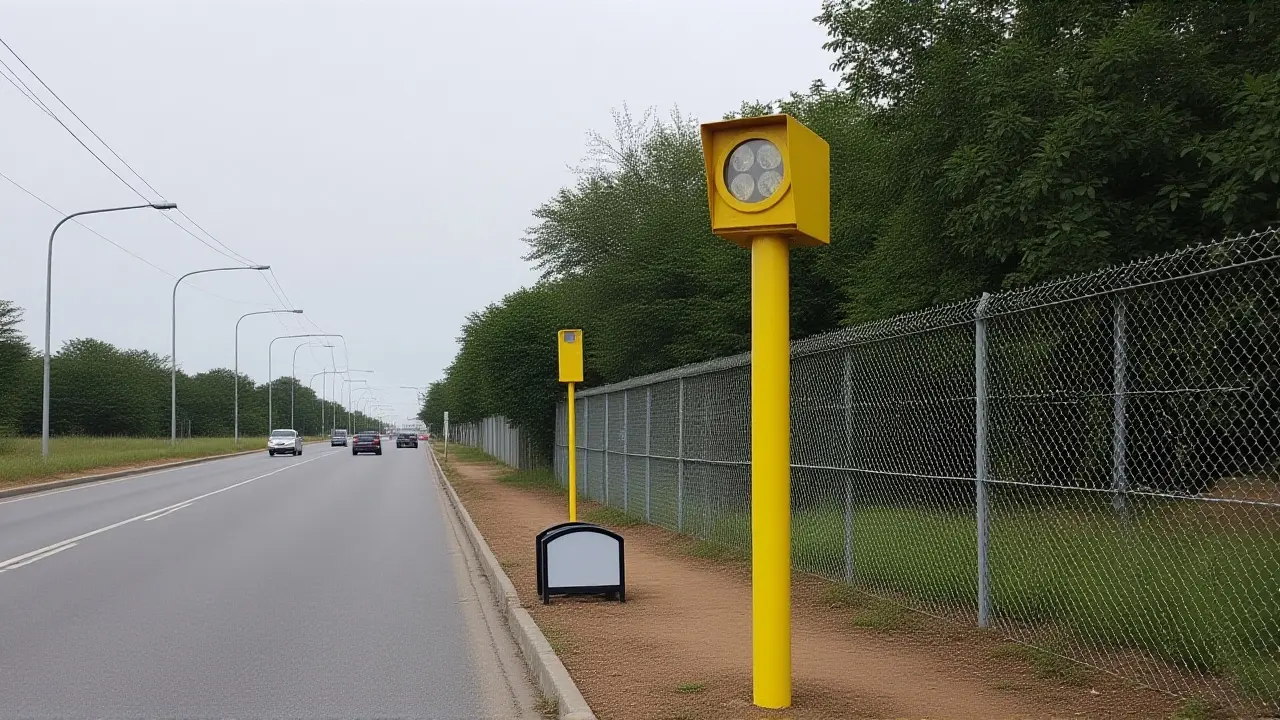
The AARTO framework relies heavily on advanced AI traffic cameras to monitor violations like seat belt non-compliance, mobile phone usage, and illegal lane changes. These automated systems are supposed to be the eyes on the road, detecting violations instantly and issuing Enforcement Orders. In theory, this removes human bias from ticketing. In practice? Turns out, the infrastructure hasn’t always kept up with the policy.
A significant operational challenge emerged early on. A report from Moneyweb noted that in January 2026, the City of Johannesburg lost access to all its speed cameras. For several weeks, motorists were able to speed unchecked along stretches that had previously been monitored, such as near the BLU interchange area on Malbor Drive. This outage meant the metro lost a significant revenue stream, highlighting a vulnerability in the centralized system.
Sources indicated these cameras were deployed in bushes along marked zones, hidden effectively from view until the violation was caught digitally. Now, with AI number plate recognition, vehicles flagged for outstanding enforcement orders can be tracked down even years later. It creates a sense of constant surveillance that many find unsettling, but proponents argue it saves lives. The system essentially creates a digital footprint for your driving history that follows you regardless of which province you drive in.
What Happens When You Get Caught
If you receive an infringement notice under the new rules, you aren’t immediately dragged to court unless it’s a schedule one offense. Speeding alone, for instance, generally won’t lead to arrest without a warrant unless the conduct amounts to negligence. Instead, you’ll face fines and points added to your file. But the process gives you options. Motorists can choose to pay 50 percent of the fine to settle quickly, submit a representation to dispute the charge, or nominate another driver if they weren’t behind the wheel.
This administrative path means fewer clogged courts. The bulk of traffic cases are moving away from criminal dockets. This shift aims to reduce the backlog that has plagued South African justice for decades. Yet, for the average commuter, the threat remains tangible. A simple missed turn or a forgotten license disc could add up quickly against your 15-point buffer.
Future Implications and Roadblocks
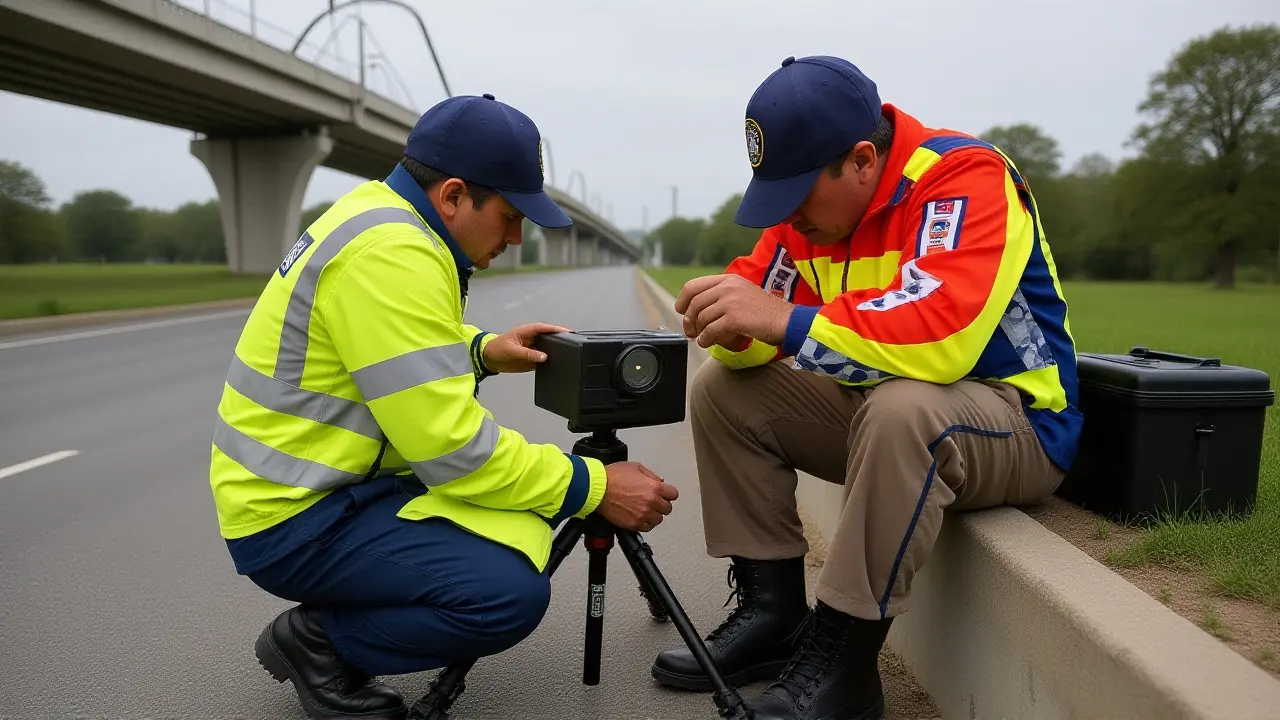
Looking ahead, the success of AARTO hinges on consistent funding and technical reliability. The glitches seen in Johannesburg suggest that while the laws are written, the tools to enforce them are still being refined. Experts suggest that until the AI networks are bulletproof, enforcement will feel sporadic. Some drivers might take risks, knowing that certain cameras may be offline or malfunctioning.
Furthermore, public awareness remains a hurdle. Many drivers are still unaware of the specific thresholds or how the point reduction works. Without widespread education, the system risks becoming purely punitive rather than corrective. The government plans to run campaigns leading up to the September 2026 date, but the real test begins once the first batch of suspensions hits the streets.
Frequently Asked Questions
How does the demerit point system work exactly?
Licensed drivers start at zero and can accumulate up to 15 demerit points before penalties apply. Exceeding this limit results in a license suspension of three months for each point over the cap. Learner drivers have a lower limit of six points before facing similar consequences.
Are speeding tickets still criminal offenses?
Ordinary speeding is now treated as an administrative infraction under AARTO, meaning no arrest is required for minor breaches. However, excessive speeding that constitutes reckless driving remains a criminal offense subject to prosecution in court.
Can I remove demerit points from my record?
Yes, the system offers a reduction mechanism where one point is automatically removed from your record for every three consecutive months you go without committing any further traffic infringements.
When did the national rollout begin?
While a phased implementation started in December 2025 across 69 municipalities, the full national rollout of the system is officially scheduled for September 1, 2026, affecting all drivers in South Africa.
17 Comments

Jullien Marie Plantinos
March 27 2026
This entire initiative is a blatant violation of personal privacy rights!!! Why must the state monitor every single movement we make?! The government wants total control over our lives and freedom!! It is unacceptable!! We cannot allow this spy network to expand further!! The cost is ridiculous and serves no purpose other than revenue generation!! Citizens deserve better treatment than constant digital stalking!!

Cheryl Jonah
March 29 2026
They claim it is about safety but really it is just data harvesting for future algorithms. The cameras are offline yet they still track your plate through hidden databases. This fits the narrative of global suppression tactics being implemented locally. People will realize too late that their information is sold to third party corporations.

Jason Davis
March 31 2026
I read teh manual and the camraes have some glitchs in johannesburg area. The speed traps went dark for weeks which means enforcement was spotty durig that period. People should drive carefull regardless of teh system working or not.

Crystal Zárifa
April 1 2026
Oh sure, until the cameras are down then suddenly the police turn invisible like magic. Typical bureaucratic incompetence disguised as technological innovation. Nobody cares if you actually get safer if the ticket machine works twenty percent of the time.

James Otundo
April 2 2026
The imposition of such draconian measures indicates a lack of sophistication in governance strategies. Truly intelligent societies prioritize voluntary compliance through culture rather than coercive digital panopticons. One wonders why resources are allocated toward surveillance infrastructure instead of proper road engineering improvements.

Sarah Day
April 4 2026
I understand the concern about spending money on cameras rather than fixing potholes. But accidents cause more damage than bad roads sometimes. It would be great if they balanced both priorities equally for everyone.

Shankar Kathir
April 5 2026
The implementation of this new framework represents a significant leap forward for road safety standards globally. Many developing nations struggle with similar enforcement challenges on a daily basis. The data collection aspect offers a transparent way to track driver behavior over extended periods. While the technology faces initial hiccups, the long term goal remains commendable for reducing accident rates significantly. We see similar patterns in regions where automated enforcement takes hold effectively. Public trust builds when the system proves reliable over months of consistent operation. Education campaigns will play a vital role in smoothing the transition process for everyone involved. Financial penalties might feel harsh initially but they serve a larger societal purpose effectively. Infrastructure investment needs to keep pace with software updates to prevent outages. Accountability mechanisms protect citizens from arbitrary application of the rules mentioned here. Driver education should focus heavily on understanding the point reduction schedule clearly. Community feedback loops allow adjustments to be made before major rollout dates arrive. Technology serves as a tool rather than the ultimate master of human interaction on roads. Governments must ensure funding supports maintenance for these critical traffic monitoring devices. Ultimately the safety of families depends on robust legal frameworks that hold people accountable consistently.

Harsh Gujarathi
April 5 2026
Well said! Hope everyone stays safe while learning the rules 😊🙏

Bhoopendra Dandotiya
April 7 2026
Different cultures approach traffic law differently based on historical context. In India we had the E-Challan system roll out recently and faced similar skepticism. It is interesting to observe how South Africa navigates this transition phase.

Firoz Shaikh
April 7 2026
The administrative nature of most infractions suggests a nuanced legal philosophy regarding civil disobedience. Distinctions between criminal negligence and simple regulation breaches clarify judicial workloads substantially. A structured appeal process ensures due process is maintained throughout enforcement orders.

Uma ML
April 7 2026
This system will only target poor communties driving on main roads while rich peple buy teslas with no plates. The bucaucracy is desinged to extract cash from normal folks who just try to survive. You think anyone cares about the glitchs when the money flows in.

Saileswar Mahakud
April 9 2026
It sounds frustrating when equipment fails repeatedly during rollout phases. Everyone deserves fair treatment under the law regardless of socioeconomic status. Hopefully the oversight committees address these inequities soon enough.

aneet dhoka
April 11 2026
We are merely nodes in a vast grid of consumption and control waiting for the signal to activate the next stage of human evolution through fear conditioning. The demerit points are simply currency for behavioral modification experiments conducted by unseen architects.

Serena May
April 11 2026
This surveillance stuff is creepy af 😤📸🚫

Rakesh Pandey
April 12 2026
everyone should just pay attention to the signs and drive safely without worrying too much about technical details its usually fine in the long run we just need patience

Senthil Kumar
April 14 2026
Staying within limits keeps the buffer clean for those unexpected mistakes.
Write a comment
Popular Posts





Jane Roams Free
March 26 2026
The shift towards automated enforcement seems necessary given the current road safety statistics. Drivers need clear consequences to understand the severity of their actions on public highways. Administrative handling reduces court congestion significantly which helps the justice system overall.