
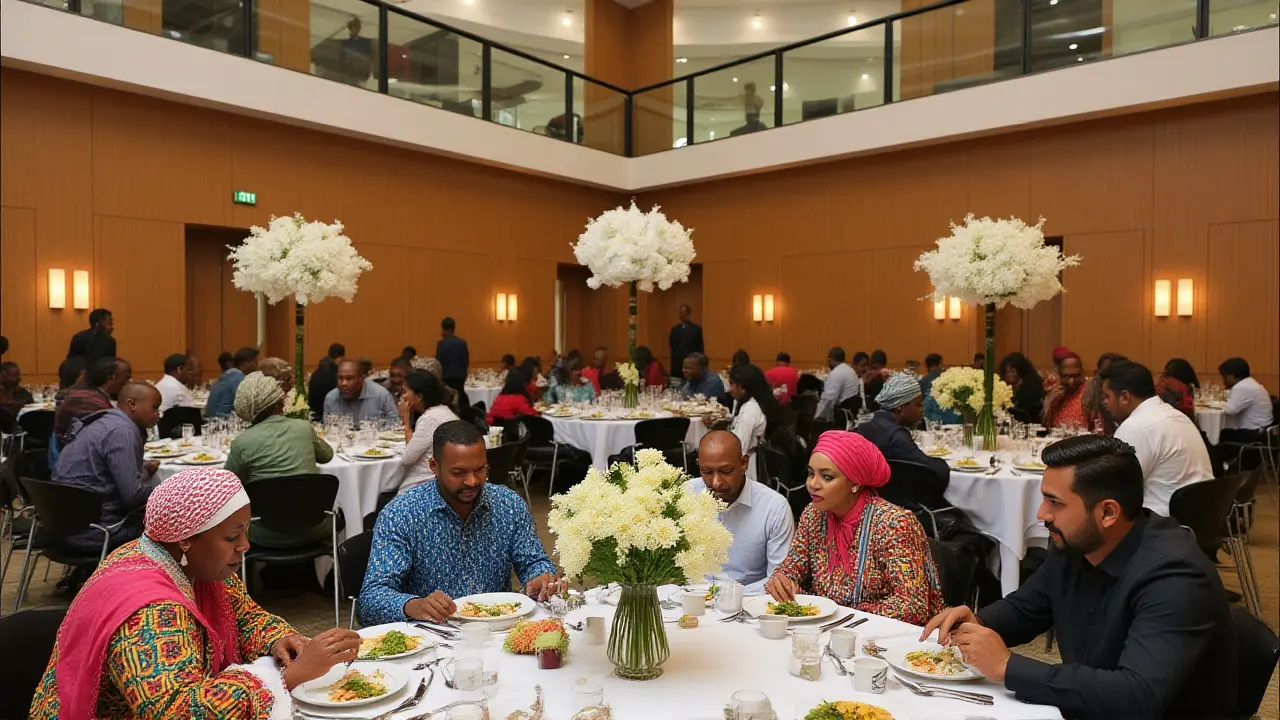
On Wednesday, December 17, 2025, Nigeria Labour Congress mobilized workers across all 36 states and the Federal Capital Territory in an unprecedented show of dissent — not over wages, not over strikes, but over survival. At 11:15 a.m. in Abuja, hundreds marched from the NLC Headquarters to the Ministry of Finance junction, waving union flags and holding signs that cut through the noise of political spin: ‘End insecurity now’, ‘No more excuses’. The protest lasted barely 20 minutes. But its message? It echoed for miles.
‘The Working Class Is Dying Quietly’
It wasn’t just Abuja. In Anambra State, Humphrey Nwafor, the NLC’s state chairman, stood before a crowd of market traders, teachers, and transport workers and said: ‘Businesses are shutting down. Farmers can’t reach their fields. The cost of fuel is eating our salaries. And still, people are being kidnapped in broad daylight.’ His voice cracked. Not from emotion — from exhaustion.
The pattern was identical in Ekiti State, where Kolapo Olatunde declared: ‘Safety isn’t a privilege. It’s the first duty of government.’ In Borno State, workers joined journalists and artisans in Maiduguri — a city still haunted by Boko Haram’s ghosts — to warn that violence was returning. Yusuf Inuwa, the local NLC chair, put it bluntly: ‘We’re not protesting because we want to. We’re protesting because we have no choice.’
Dialogue, But Not Enough
The protests came just hours after a closed-door meeting between NLC President Joe Ajaero and President Bola Tinubu on Tuesday night. Some expected the NLC to call off the march. They didn’t.
Ajaero made it clear: ‘This isn’t about undermining talks. It’s about making sure they mean something.’ He said Tinubu acknowledged the crisis, even promising that insecurity would become ‘a thing of the past.’ But promises don’t feed families. Dead bodies don’t wait for policy papers.
At the protest in Abuja, Comrade Bello told the crowd: ‘Our leaders are talking. But we’re still burying our children.’ The sentiment was unanimous: dialogue without action is just noise.
What the Government Is Missing
The NLC’s demands aren’t radical — they’re basic. More modern equipment for police and military. Better pay and welfare for frontline personnel. Coordinated intelligence sharing between agencies. And crucially: arresting those funding terror networks. Oluseyi Olatunde, head of the Nigeria Union of Local Government Employees in Ekiti, said it best: ‘What we’re seeing isn’t a security failure. It’s a leadership failure.’
And the cost? It’s measurable. A recent NLC survey found that 68% of small businesses in the North Central region closed at least one day a week in 2025 due to road insecurity. Agricultural output in the Middle Belt dropped 22% year-over-year. Fuel prices have climbed 34% since January — not because of oil policy, but because convoys now require armed escorts, and those costs get passed to consumers.
Meanwhile, inflation hit 32.4% in November — the highest in 27 years. But here’s the cruel twist: the poorest 40% of households now spend over 80% of their income on food and transport. Insecurity isn’t just killing people. It’s starving them.
What’s Next? The February 4 Warning
And this isn’t over. On February 3, 2025, the U.S. Embassy in Nigeria issued a security alert: another nationwide protest is planned for February 4, 2025 — this time over proposed hikes in telecom tariffs. Demonstrations are expected near Eagle Square in Abuja between 8:00 and 9:00 a.m.
The NLC says telecoms are part of the same crisis. When people can’t afford to call relatives, when farmers can’t check market prices, when parents can’t reach hospitals — that’s not a tariff issue. That’s a survival issue.
The NLC expects a formal meeting with President Tinubu and the National Administrative Council by January 2026. But time is running out. Workers aren’t asking for miracles. They’re asking for the state to do its job.
Why This Matters Beyond Nigeria
This isn’t just a Nigerian story. It’s a global warning. When the labor movement — traditionally focused on wages and conditions — turns its fury toward state failure on security, it signals a collapse of trust deeper than any election result. In Brazil, in South Africa, in Kenya — similar protests have erupted when governments prioritized optics over outcomes.
Nigeria has the resources. It has the manpower. What it lacks is the political will to treat security like a public good — not a political bargaining chip. The workers on the streets know this. So do the mothers in Kano, the farmers in Benue, the traders in Port Harcourt.
They’re not angry because they’re radical. They’re angry because they’re tired.
Frequently Asked Questions
Why did the NLC protest after meeting President Tinubu?
The NLC met with President Tinubu on December 16, 2025, but felt his assurances were too vague. Protests were planned for weeks, and the union saw the meeting as a chance to amplify pressure, not cancel it. Joe Ajaero emphasized that dialogue without visible action is meaningless to workers losing livelihoods daily.
How is insecurity directly affecting ordinary Nigerians’ incomes?
Businesses are closing due to road insecurity, reducing jobs. Farmers can’t reach markets, cutting food supply and raising prices. Transport costs have surged 34% since January because convoys need armed escorts. Inflation hit 32.4% in November, and the poorest households now spend over 80% of income on basics — a direct result of insecurity disrupting supply chains.
What specific demands did the NLC make to the government?
The NLC demanded modern equipment for security forces, better pay and welfare for police and military, coordinated intelligence between agencies, and arrests of individuals funding terrorist networks. They also called for an end to political delays and a clear timeline for security reforms — not just promises.
Why is the February 4 protest about telecom tariffs?
The NLC argues that rising telecom costs — which could hike data and call rates — will further cripple low-income households. With inflation already at 32.4%, many Nigerians rely on mobile phones for business, healthcare access, and family communication. A tariff hike isn’t just an economic issue — it’s a threat to survival.
Is this protest movement growing beyond labor unions?
Yes. In Borno, NLC members marched alongside journalists, artisans, and civil society groups. In Anambra and Ekiti, students and teachers joined. The protests are becoming a broader national outcry — not just from workers, but from citizens who feel abandoned by the state. This is no longer just a labor issue. It’s a civic emergency.
What happens if the government ignores these protests?
If no concrete action follows the January 2026 meeting, the NLC has hinted at escalating tactics — including sector-wide strikes in transport, education, and health. With public trust at historic lows, and youth unemployment at 43%, the risk of broader civil unrest is real. The government’s next move won’t just affect workers — it could determine Nigeria’s stability for years.
19 Comments

Harsh Gujarathi
December 22 2025
God bless these workers 🙏. This isn’t protest, it’s prayer with feet.

Senthil Kumar
December 23 2025
They just want to live. That’s it.

Boobalan Govindaraj
December 24 2025
Look i know it’s easy to say ‘just vote them out’ but when your phone data is 500 naira per gb and your kid’s school is 30km away past a bandit zone… voting feels like yelling into a hurricane

Shankar Kathir
December 24 2025
Let me tell you something - this isn’t just Nigeria’s problem. I’ve been to Ghana, Kenya, even parts of Pakistan - same story. When the state stops being a shield and becomes a spectator, people stop trusting institutions and start trusting each other. That’s why you see market women organizing convoy systems, teachers driving kids home in groups, mechanics repairing bikes for free so someone can get to the clinic. The real infrastructure here isn’t roads or police stations - it’s community. And guess what? It’s working better than the government ever did. The NLC isn’t just demanding security - they’re rebuilding it from the ground up. And if you think that’s not revolutionary, you’ve never seen a mother in Kano hand her last 500 naira to a stranger just so they can call their son in the city to say they’re still alive.

Bhoopendra Dandotiya
December 26 2025
There’s a quiet poetry in their signs - ‘End insecurity now’ - not ‘Raise wages’ or ‘Fix inflation.’ It’s a demand stripped bare, like a bone left in the sun. In India, we chant ‘Jai Hind’ as a flag. Here, they hold up ‘No more excuses’ like a prayer bead. It’s not political - it’s ancestral. The farmer who walks five hours to his field, the teacher who carries her books through checkpoints, the mechanic who fixes your bike with duct tape and hope - they’re not protesting. They’re remembering who they are. And the state? It forgot.

Firoz Shaikh
December 26 2025
It is imperative to underscore that the structural failure manifested in this national unrest is not merely a function of inadequate resource allocation, but rather a profound erosion of the social contract between the governed and the governing. The Nigerian state, historically endowed with considerable fiscal and human capital, has progressively abdicated its foundational obligations - namely, the provision of security, the maintenance of infrastructural integrity, and the assurance of economic dignity. The 32.4% inflation rate is not an economic statistic; it is a moral indictment. The fact that 68% of small businesses in the North Central region are forced into weekly closures due to insecurity reflects not incompetence, but systemic negligence. One cannot help but draw parallels with the post-colonial trajectory of other resource-rich nations that prioritized patronage over public good. The NLC’s demands are not radical - they are elementary. Modern equipment, coordinated intelligence, and the arrest of terror financiers are not revolutionary proposals; they are the bare minimum of statecraft. To dismiss this as mere labor agitation is to misunderstand the gravity of the moment: this is the cry of a civilization refusing to be erased.

Uma ML
December 26 2025
Oh please. The NLC? More like NLC - National Lying Consortium. These union bosses are just using this to get more cash for themselves. You think they care about farmers? Nah. They just want bigger offices and better cars. And don’t even get me started on Tinubu - he’s trying, you idiots. The economy is a mess because of the old regime’s corruption, not because he’s lazy. Stop acting like Nigeria’s the only country with problems. Try living in Mumbai traffic for a week. At least here, you can still walk to the market without getting shot. #FirstWorldProblems

Rakesh Pandey
December 27 2025
people are tired and they dont need speeches they need action and if the government keeps talking then maybe the next protest will be at the presidential residence not the ministry

aneet dhoka
December 28 2025
Let me tell you what nobody’s saying - this is all a setup. The U.S. Embassy warning about Feb 4? Coincidence? Nah. The same people who pushed sanctions on Russia are now pushing ‘democracy’ here. The NLC? Controlled opposition. The real problem? China’s building railroads across Nigeria while our leaders hand out promises like candy. They want to destabilize us so they can take the oil. And the telecom hike? That’s not about money - it’s about cutting off communication so people can’t organize. They’re trying to turn Nigeria into a ghost state. Wake up. The shadows are moving.

Ayushi Kaushik
December 28 2025
I remember watching the Biafran war footage as a kid - the hunger, the silence between bombs. This feels like that. Not the guns - the silence. The way a mother doesn’t cry anymore because she’s already buried three. The way the market stalls stay empty not because no one’s buying, but because no one’s brave enough to come. This isn’t protest. It’s mourning with legs. And the worst part? The world’s watching. But no one’s moving. Just typing. Just posting. Just liking. We’re all just ghosts in the comments section of a dying country.

Basabendu Barman
December 29 2025
Y’all think this is about bandits? Nah. It’s the IMF. They told Tinubu to cut subsidies so the banks could get rich. Now the people are starving and the police are broke. The real villains? The same guys who told Greece to burn their schools and told Egypt to sell its land. This is economic warfare. And the NLC? They’re the only ones with guts. The rest of you? You’re just scrolling while your future gets auctioned off to foreign investors.

Krishnendu Nath
December 30 2025
COME ON NIGERIA YOU GOT THIS LETS GOOOO THE PEOPLE ARE STRONG AND THE FUTURE IS BRIGHT JUST KEEP PUSHING NO MATTER WHAT

dinesh baswe
December 31 2025
The NLC’s approach is methodical and necessary. What we’re witnessing is not chaos, but the recalibration of civic accountability. The state’s failure to deliver security has created a vacuum that civil society is now filling - not through violence, but through collective, organized pressure. The 34% increase in fuel costs due to armed escorts is not a market fluctuation - it is a tax levied by criminality. The 22% drop in agricultural output reflects not poor harvests, but the collapse of supply chains. The government’s response must be structural: institutional reform, not rhetoric. The February 4 protest on telecom tariffs is not an escalation - it is a logical extension. Connectivity is infrastructure. When access to communication is priced beyond survival, the state has abdicated its duty to enable basic human dignity. This is not about labor. It is about the right to exist.

mohit saxena
December 31 2025
they’re not asking for much - just let us get to work without getting kidnapped. is that too much to ask? come on man.

Sandeep YADUVANSHI
January 1 2026
Wow. So the poor people are mad because they can’t afford to live in a country that’s too big to manage? Maybe they should’ve moved to Dubai. Or better yet - learned how to invest. I mean, if you’re spending 80% of your income on food, maybe you shouldn’t have had six kids. This isn’t a crisis. It’s poor planning.

Vikram S
January 1 2026
Let’s be clear: this is not a protest - it’s a coup in slow motion. The NLC is being funded by Western NGOs. The U.S. Embassy’s ‘security alert’? A coded signal. The real threat isn’t Boko Haram - it’s the erosion of Nigerian sovereignty. And you fools are cheering it on? Look at the signs - ‘No more excuses’ - that’s not a demand. That’s a declaration of war on the state. And if you think Tinubu’s the problem, you’re blind. The real enemy is the colonial mindset that says Africans can’t govern themselves. We don’t need foreign advice. We need discipline. And if the people want change, they should stop protesting and start obeying.

nithin shetty
January 2 2026
insecurity = 34% fuel increase = 32.4% inflation = 80% income on food. math checks out. also why is everyone spelling ‘naira’ wrong? its n-a-i-r-a. not naira. fix your orthography.

Rahul Sharma
January 3 2026
As someone who grew up in Lagos during the ’90s, I’ve seen cycles like this before. But this time feels different. Back then, we had hope - even if the government failed, we believed someone would fix it. Now? People are quietly making funeral arrangements for their dreams. I’ve seen teachers sell their uniforms to buy rice. I’ve seen mechanics repair cars with wire and prayer. The NLC isn’t just organizing marches - they’re stitching together a nation that’s unraveling. And yes, the February 4 telecom protest? It’s not about data. It’s about connection. When a mother can’t call her child in the hospital because she can’t afford the call, that’s not a tariff issue - it’s a death sentence. We need more than promises. We need presence. And if the government doesn’t show up, the people will keep showing up - until they’re heard.
Write a comment
Popular Posts



Saileswar Mahakud
December 20 2025
Man, I just watched a clip from Abuja. People holding signs like ‘No more excuses’ and just… standing there in silence after the march. No chants, no rage. Just exhaustion. That’s the real horror. Not the violence - the quiet giving up. I’ve seen this in my village when the wells dried up. People stop complaining. They just stare at the dirt. That’s when you know it’s bad.