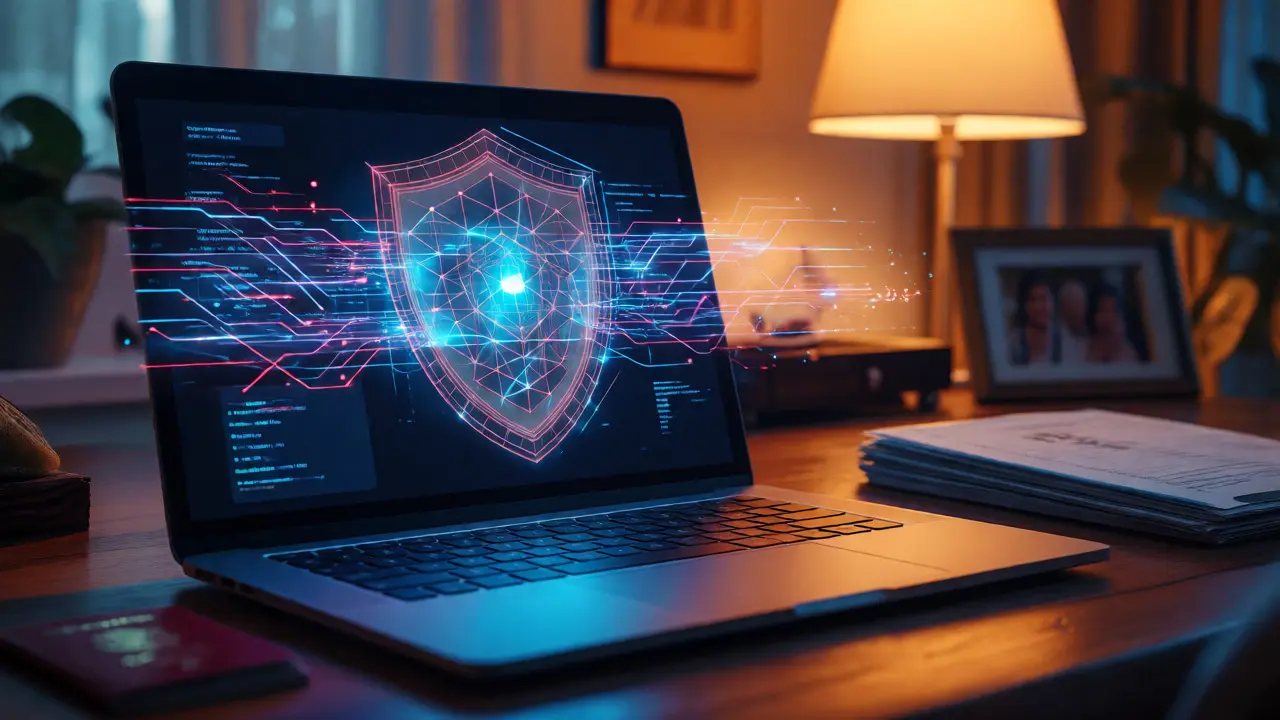
You just bought a new laptop. It’s sleek, fast, and full of your life: tax returns from the last five years, scans of your passport, that half-written novel, and thousands of photos from family trips. You hit "sync" on your favorite cloud service, breathe a sigh of relief, and move on. But have you ever stopped to wonder who actually holds the keys to that box?
Most people assume their files are safe because they’re in the "cloud." The reality is often different. In many mainstream services, the provider holds the encryption keys. This means they can read your files if they want to, or if a court order demands it. If you care about true privacy-meaning no one but you can see your data-you need encrypted storage that puts you in control. Finding the right solution isn't just about picking a brand with a padlock icon; it's about understanding how the technology works.
The Golden Rule: Who Holds the Keys?
The single most important question when evaluating any storage service is this: Is it zero-knowledge? Zero-knowledge (or end-to-end) encryption means your files are scrambled on your device before they ever leave it. The server receives only unreadable gibberish. Only you hold the decryption key. If the company gets hacked, or if a government subpoena lands on their desk, all they can hand over is encrypted noise.
Contrast this with traditional providers like Dropbox or Google Drive. They encrypt data at rest and in transit, which protects against casual snooping and basic theft. But because they manage the keys for features like web-based editing and search indexing, they retain access. For personal files where confidentiality is non-negotiable-think medical records, legal documents, or private journals-zero-knowledge architecture is the baseline requirement. Without it, you aren't truly owning your privacy; you're renting it.
Beyond Encryption: Why Infrastructure Matters
Encryption protects your data from prying eyes, but it doesn't protect it from disappearing. What happens if the storage company goes out of business? Or if their servers suffer a catastrophic failure? This is where the underlying infrastructure becomes critical. Traditional cloud storage relies on centralized servers owned by a single corporation. If that corporation fails, your data might become inaccessible, even if it's technically "saved" somewhere.
A newer approach uses decentralized storage. Instead of storing your files on one company's hard drives, decentralized systems spread fragments of your data across a global network of nodes. Think of it less like putting your money in one bank vault and more like distributing copies of a document across thousands of libraries worldwide. Even if some libraries burn down, the information survives elsewhere.
This model offers resilience that centralized clouds simply can't match. Services built on networks like Arweave or IPFS ensure that your data persists as long as the network exists, not just as long as a specific startup stays solvent. When looking for encrypted storage, ask yourself: Am I trusting my memories to a company, or to a protocol?

Key Features That Separate Real Security from Marketing Fluff
Once you've filtered for zero-knowledge encryption and robust infrastructure, you need to look at usability and control. A secure system is useless if it's too painful to use daily. Here are the features that actually matter:
- Client-Side AES-256 Encryption: Ensure the service uses standard, audited algorithms like AES-256-GCM. Avoid proprietary "secret sauce" encryption unless it's open-source and peer-reviewed.
- Granular Sharing Controls: Can you share a single file without sharing your whole folder? Can you set expiration dates on links? True privacy includes controlling who sees what, and for how long.
- Honest Recovery Policies: Since the provider doesn't have your keys, they can't reset your password for you. Look for services that offer clear, user-friendly recovery options, such as generating printable backup keys during setup.
- Cross-Platform Support: Your files live on your phone, your tablet, and your desktop. The encryption client must work seamlessly across all operating systems (Windows, macOS, Linux, iOS, Android).
| Feature | Traditional Cloud (e.g., OneDrive) | Zero-Knowledge Cloud (e.g., Proton Drive) | Decentralized Vault (e.g., Vaulternal) |
|---|---|---|---|
| Who holds keys? | Provider | User | User |
| Data Location | Centralized Servers | Centralized Servers | Distributed Network |
| Resilience to Company Failure | Low | Medium | High |
| Metadata Privacy | Visible to Provider | Often Hidden | Minimal/On-Chain |
Common Mistakes When Choosing Encrypted Storage
Even tech-savvy users fall into traps when selecting these tools. The biggest mistake is confusing convenience with security. Many users enable two-factor authentication (2FA) and think they're done. While 2FA prevents unauthorized logins, it does nothing to stop the provider from accessing your decrypted data if they hold the keys. Another common error is neglecting metadata. Some services encrypt file contents but leave file names and sizes visible. If your file is named "Divorce_Settlement_2026.pdf," the provider knows exactly what you're working on, even if they can't read the text inside.
Finally, many people ignore the "single point of failure" risk. Storing everything in one encrypted container on one cloud drive is risky. If that drive syncs incorrectly or the account gets banned due to an automated false positive, you lose access. Diversifying where your encrypted data lives-or using a system designed for permanence-is a smart hedge.

How to Verify a Provider's Claims
Don't take marketing pages at face value. Look for independent security audits. Reputable companies publish reports from third-party firms verifying their encryption implementation. Check their jurisdiction, too. Providers based in countries with strong privacy laws (like Switzerland or Iceland) may offer better legal protection against foreign surveillance than those in the US or UK, though this is a complex topic with no easy answers.
You should also test the recovery process before you trust them with your life's work. Create a dummy account, upload a file, and pretend you lost your password. Can you recover it easily? If the support team takes weeks to respond or the process requires emailing scanned IDs back and forth, consider whether that friction is acceptable for your needs.
A Modern Approach: The Digital Vault
If you want a solution that combines zero-knowledge encryption with the resilience of distributed technology, consider a modern digital vault. Unlike standard cloud drives, a digital vault is designed specifically for long-term preservation and controlled access.
Take Vaulternal, for example. It uses client-side AES-256 encryption, ensuring your files are scrambled before they leave your device. But it goes further by leveraging blockchain storage principles. Files are anchored on Arweave (for permanent storage) and distributed via IPFS. This means your data isn't sitting on a single server farm in Virginia; it's part of a global, immutable ledger. If Vaulternal the company were to vanish tomorrow, your files would still exist on the network, accessible via the public keys you hold.
Vaulternal also introduces a unique feature called the "access trigger system." This allows for conditional access continuity. Imagine you go on a long trip without internet access, or you're hospitalized for a few weeks. You can set conditions so that a trusted contact can access specific files if you haven't logged in for a set period. It’s not about inheritance; it’s about keeping your own files reachable under temporary unavailability. Recipients don't need technical expertise-they just verify their identity and get access to the shared items.
This approach solves the two biggest anxieties of personal data management: privacy and persistence. You keep the keys, and your data survives beyond the lifespan of any single app. For anyone serious about protecting their personal files, exploring solutions like Vaulternal offers a glimpse into where secure storage is heading.
Is encrypted storage slower than regular cloud storage?
It can be slightly slower because encryption and decryption happen on your device, adding computational overhead. However, for most personal files, this difference is negligible on modern hardware. Large media files might take longer to upload initially, but subsequent syncs are usually efficient.
What happens if I forget my password?
In zero-knowledge systems, the provider cannot reset your password because they don't know it. You must rely on recovery keys generated during setup. Always store these keys offline, such as on paper or in a physical safe. If you lose both your password and your recovery keys, your data is permanently inaccessible.
Is decentralized storage more expensive?
Pricing models vary. Some decentralized services charge per gigabyte stored, while others offer flat-rate subscriptions similar to traditional clouds. Because decentralized storage often focuses on permanence rather than high-speed retrieval, costs can sometimes be lower for long-term archival compared to premium enterprise cloud tiers.
Can I edit files directly in the cloud?
Not typically. With strict zero-knowledge encryption, the server cannot process the file content (like rendering a Word doc or playing a video) without decrypting it first. Most users download the file, edit it locally, and re-upload it. Some advanced clients offer virtual drives that simulate direct editing, but it still involves local processing.
Does using a VPN improve my storage security?
A VPN hides your IP address and encrypts traffic between your device and the internet, adding a layer of privacy against ISPs and local network snoopers. However, it does not replace the need for encrypted storage. The storage provider still sees your data (unless it's zero-knowledge). Use both for comprehensive protection.
Popular Posts