
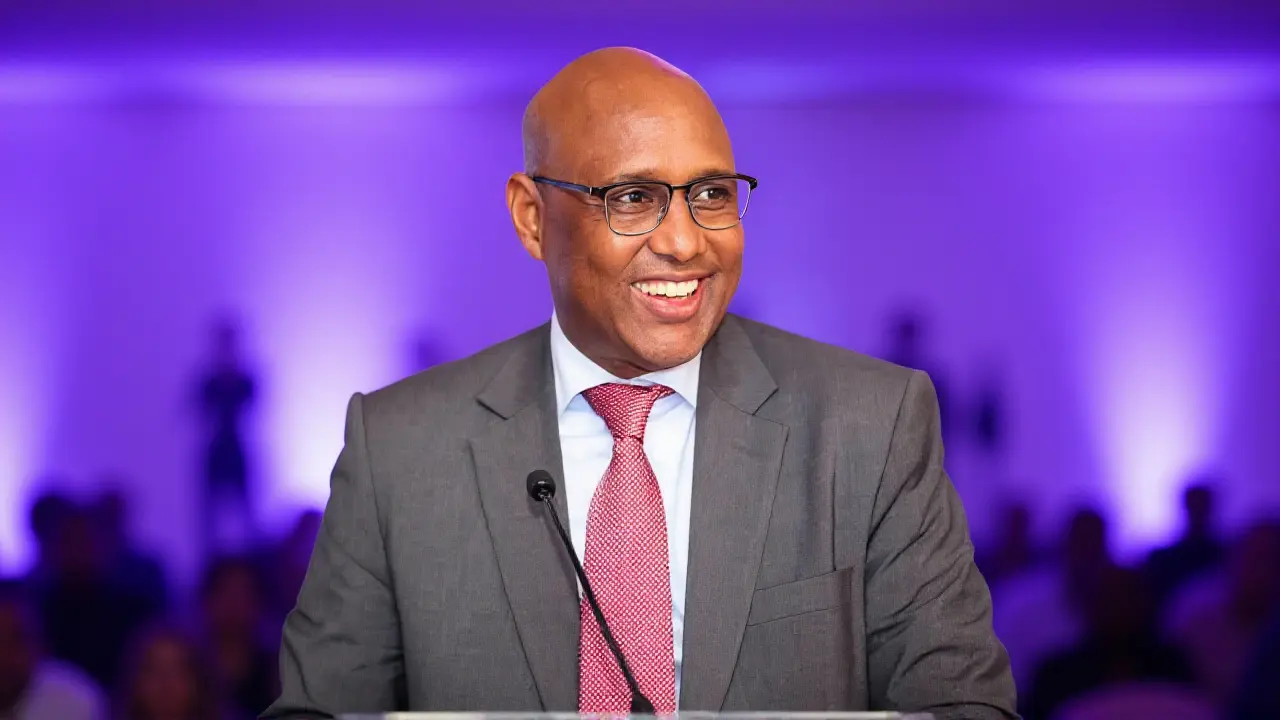
When John Mbadi, Cabinet Secretary of the National Treasury of Kenya signed the gazette notice on May 18, 2026, he didn’t just appoint a new bureaucrat. He handed the keys to Kenya’s most critical revenue engine to one of President William Ruto’s closest economic strategists. The man at the helm is now Adan Abdulla Mohamed, former Industrialisation Cabinet Secretary and current Chief of Strategy Execution at State House.
The appointment, effective immediately under Section 11(1) of the Kenya Revenue Authority Act, marks a significant shift in how the country’s tax administration will be run. It’s not your typical internal promotion. Mohamed beat out six insiders from within the Kenya Revenue Authority (KRA) to take over from outgoing Commissioner General Humphrey Wattanga. This isn't just a personnel change; it's a signal that the government intends to streamline tax collection with a heavy hand—and perhaps, a smarter approach.
An Outsider Takes the Wheel
Here’s the thing about this selection: it was fast. Really fast. Business Daily Africa reported that the interviews for the seven shortlisted candidates were conducted on a Monday, with the winner announced by day’s end. That kind of speed suggests the decision had already been made before the process even began. The board settled on Mohamed, forwarding his name to the Treasury for formal gazettement.
Mohamed isn’t starting from scratch. He brings a resume that reads like a masterclass in Kenyan political economy. A Harvard Business School MBA holder with a Bachelor of Commerce from the University of Nairobi, he has served as a key technocrat in the Ruto administration. His previous role as Industrialisation CS gave him insight into business operations, while his position as Chief of Strategy Execution placed him at the center of policy implementation.
Why does this matter? Because the KRA isn’t just collecting taxes. It’s supposed to stabilize public finances. And right now, those finances are under immense pressure. With national debt ticking upward and budget deficits widening, the government needs every shilling it can get. An outsider with direct access to the President might just cut through the red tape that has long plagued the authority.
Replacing Humphrey Wattanga
Humphrey Wattanga leaves behind a legacy of aggressive digitalization and expanded taxpayer outreach. Under his tenure, the KRA launched several initiatives aimed at broadening the tax base. But critics argue that compliance costs remained high for small businesses, and corruption allegations never fully disappeared.
Mohamed’s arrival signals a reset. In his initial statements following his swearing-in, he pledged to “simplify taxation and reduce compliance costs.” Those words carry weight. For years, entrepreneurs have complained that navigating the KRA system feels like running an obstacle course. If Mohamed delivers on simplification, it could boost investor confidence significantly.
But don’t expect things to slow down. Simplification doesn’t mean leniency. In fact, it often means stricter enforcement through better technology. Think of it like upgrading from a manual toll booth to an electronic gate—faster, more accurate, and harder to cheat.
The Political Weight Behind the Appointment
This wasn’t just a hiring decision. It was a strategic move. By placing a trusted ally at the head of the KRA, the Ruto administration ensures tighter control over revenue flows. Mohamed’s close ties to State House mean he’ll likely align closely with the government’s broader fiscal agenda.
Consider the timing. The appointment comes amid ongoing debates about tax increases and public spending priorities. With elections looming in the future, any disruption in revenue collection could have serious political consequences. Having someone who understands both economics and politics at the top of the KRA makes sense—from a governance perspective.
Moreover, Mohamed’s background in industrialisation gives him unique leverage. He knows where the money is hiding—in manufacturing, logistics, and informal trade sectors. That knowledge could translate into more targeted audits and fewer missed opportunities for revenue generation.

What’s Next for Taxpayers?
If history is any guide, new leadership at the KRA usually means immediate changes. Expect updated guidelines, revised penalty structures, and possibly new digital platforms designed to make filing easier—or at least less painful.
Experts suggest that Mohamed may focus on three areas: automation, transparency, and taxpayer education. Automation reduces human error and corruption risks. Transparency builds trust. Education helps people understand why they’re paying taxes and how their contributions benefit society.
Of course, none of this happens overnight. The first few months will likely involve assessment and restructuring. But given the urgency surrounding Kenya’s fiscal situation, delays won’t be tolerated.
Frequently Asked Questions
Who is Adan Abdulla Mohamed?
Adan Abdulla Mohamed is a Kenyan economist and politician who previously served as Cabinet Secretary for Industrialisation. He holds an MBA from Harvard Business School and currently serves as Chief of Strategy Execution at State House. As of May 2026, he has been appointed as the new Commissioner General of the Kenya Revenue Authority.
Why was Adan Mohamed chosen over KRA insiders?
Mohamed was selected because of his close relationship with President William Ruto and his experience in economic strategy. The government appears to want someone who can implement policies quickly and align closely with national fiscal goals. His external perspective may also help break entrenched practices within the KRA.
What changes can taxpayers expect under Mohamed?
Mohamed has promised to simplify taxation and reduce compliance costs. This could mean streamlined processes, fewer forms, and improved digital services. However, these changes are expected to come alongside stricter enforcement mechanisms to ensure greater revenue collection efficiency.
How long will Adan Mohamed serve as KRA Commissioner General?
He has been appointed for a fixed term of three years, beginning May 18, 2026. This duration allows him sufficient time to implement reforms and demonstrate results before potential reappointment or transition.
Who did Adan Mohamed replace at the KRA?
He replaced Humphrey Wattanga, who served as Commissioner General prior to May 2026. Wattanga was known for pushing digital transformation efforts within the KRA but faced criticism regarding high compliance burdens on businesses.
Is this appointment legally binding?
Yes. The appointment was published in the Kenya Gazette under Section 11(1) of the Kenya Revenue Authority Act, making it legally enforceable. The gazette notice confirmed the start date and term length officially.
Popular Posts